Headshot DP
AI LinkedIn headshots in a salwar kameez
More women wear a salwar kameez to work across North India and Pakistan than a saree. Get a LinkedIn headshot that shows it, not a plain kurta.
6 September 2026
Across North India, Pakistan and Bangladesh, a salwar kameez is what a great many women wear to work — more of them, day to day, than wear a saree. It is the ordinary answer to "what do I put on for the office", and it is almost never what an AI headshot tool offers.
So it belongs in a LinkedIn headshot, which is meant to show you as you are at work.
When one does offer it, what usually comes back is a plain kurta with something draped over a shoulder.
We got this wrong first, and then fixed it
Worth being direct about, because it explains what changed.
The first version asked for "a kameez with a dupatta". That is, strictly, the garment. What came back was a plain dark tunic with a faint scarf — nothing anyone from Punjab would look at and call their own. Technically correct, recognisably nothing.
Two things fixed it, and both are about what a headshot can actually show.
The region is named. Punjabi, North Indian. Left unsaid, the model averages across everything it has ever seen described as a tunic, and the average is not a salwar kameez.
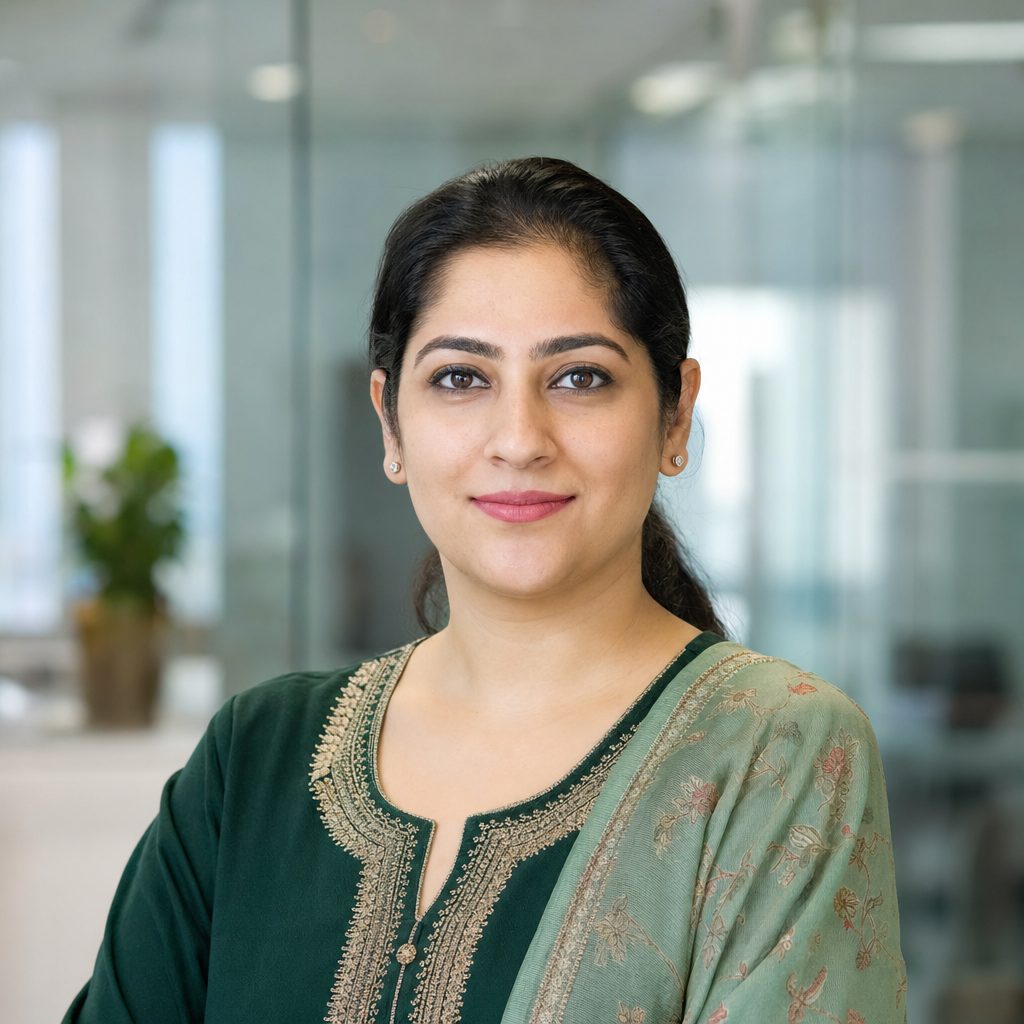
The dupatta became the subject, not a trailing detail. A headshot stops at the chest. The salwar is below the frame entirely — so the drape of the dupatta and the neckline are, as far as the picture is concerned, the whole garment. Mentioned last, the dupatta was rendered as an afterthought. Named first, it has presence.
The details that make it that garment
The set asks for the things that distinguish a salwar kameez from a plain tunic: phulkari embroidery, gota trim, a gold-bordered dupatta, a scalloped neckline, a mandarin collar, chanderi and georgette, thread work at the yoke.
Eight pictures should not be eight photographs of one suit, and naming the detail is what stops that.
A reviewer who wears them has not seen these yet, which is why this page is a draft rather than a live one.
Why churidar is not a separate option
It used to be, and it was removed once the pictures were put side by side: chest-up, a churidar and a salwar kameez are the same silhouette, because what separates the two garments is the trousers and the trousers are out of frame.
Two names for one picture is not a choice, it is a decision somebody has to make for no reason. One name, and it is the one more people use.
What else you choose
The colour, the room, the light, the crop, how much retouching. Glasses have their own tick box — worth using even when your own photographs show them, because they are among the first things these tools drop.
How it works
Upload 8 to 20 ordinary phone photographs. Choose the look from pictures rather than words. Pick your favourites from a spread of previews and download those at full size.
What it costs
$25.00 for eight HD headshots. $35.00 for sixteen HD headshots. $49.00 for twenty-four HD headshots. Paid once, up front. More pictures later are $4.00 each.
Your photographs
Deleted after 30 days, along with everything trained on them. Not archived, not anonymised, never shown to anyone else.
Questions
Is this the same as a Punjabi suit?
Yes — that is what the set asks for by name.
Can I have a saree instead?
A saree is its own option, chosen the same way. They are separate because they photograph differently and people mean different things by them.
Will it look like me?
Your face is learned from the photographs you upload, which is why we ask for at least 8 and why variety across them matters more than how good any one of them is.
See yourself before you pay.
One headshot of your own face, free and without a card. Keep going only if it looks like you.
See My Headshot Free →Read next
 Style
StyleAI LinkedIn headshots in Ankara print
Print blazers are professional dress across West and East Africa. Most AI headshot tools mud the print — this makes a LinkedIn headshot that keeps it.
Read article → Style
StyleAI LinkedIn headshots in a Barong Tagalog
A barong is sheer piña in natural ecru with an embroidered pechera. Most AI headshot tools swap it for a dress shirt. Get a LinkedIn headshot in the real thing.
Read article →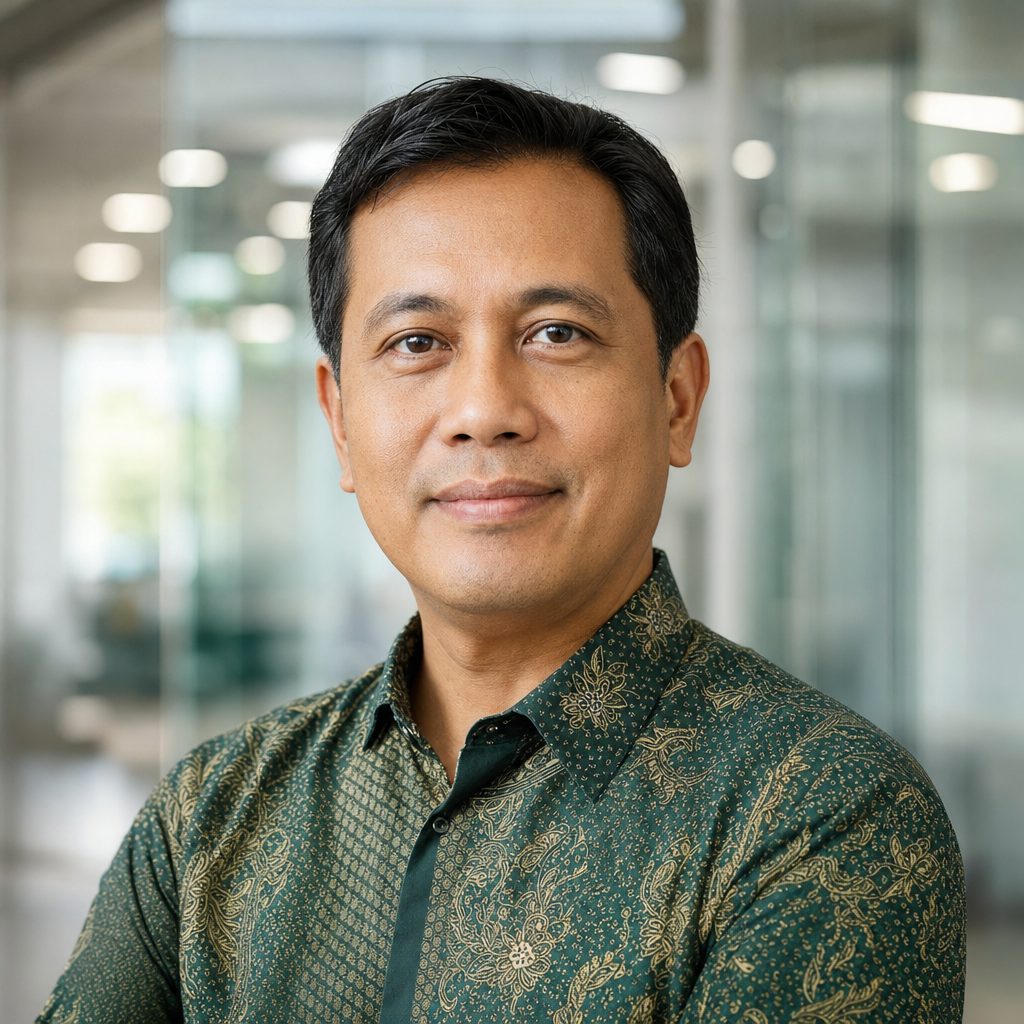 Style
StyleAI LinkedIn headshots in batik
Batik is office wear across Indonesia and Malaysia. Most AI headshot tools flatten the pattern — this makes a LinkedIn headshot that keeps the motif.
Read article →