Blog
What is a headshot, and what is a DP?
A headshot is a kind of photograph. A DP is where you put it. What each word means, where each is used, and why one picture has to do both jobs.
22 September 2026
A headshot is a photograph of a person from roughly the chest up, taken so the face is the subject and nothing else competes with it.
A DP is a display picture — the small round photo beside your name on WhatsApp, Instagram, LinkedIn or a work directory. It is a place, not a kind of photograph.
So the two words answer different questions. "Headshot" tells you how the picture was taken. "DP" tells you where it ends up. A good headshot makes a good DP; plenty of DPs are not headshots at all.
Where each word is used
"DP" is everyday English in India, Pakistan, Bangladesh and Sri Lanka, and it is what most people there say. "Profile picture" or "profile photo" is the usual phrase in the US and UK, and "avatar" turns up in software. They all mean the same slot.
"Headshot" comes from acting and modelling, where a performer's headshot is the photograph a casting director sees first. It moved into business photography with the same meaning: the face, well lit, nothing in the way.
How close is a headshot?
Close enough that the face carries the frame, and no closer. There is a usable range rather than one correct distance.

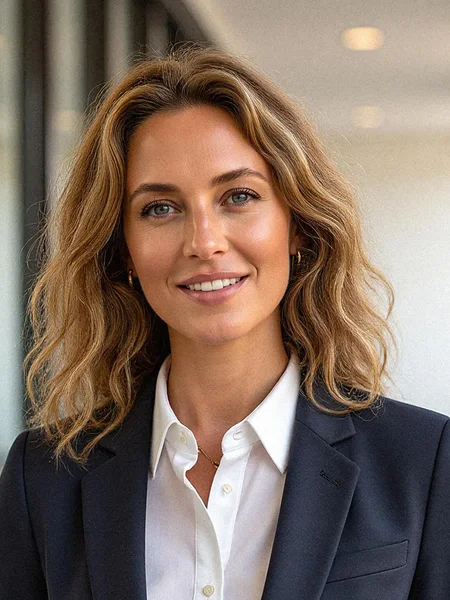

Chest-up is the safe middle. Waist-up shows the clothes and starts to lose the face at small sizes, which matters more than it sounds like it should.
Why the size decides everything
A DP is shown far smaller than people expect. On LinkedIn it is a circle a little over a hundred pixels across, beside your name, for about a second. Instagram's is smaller still.
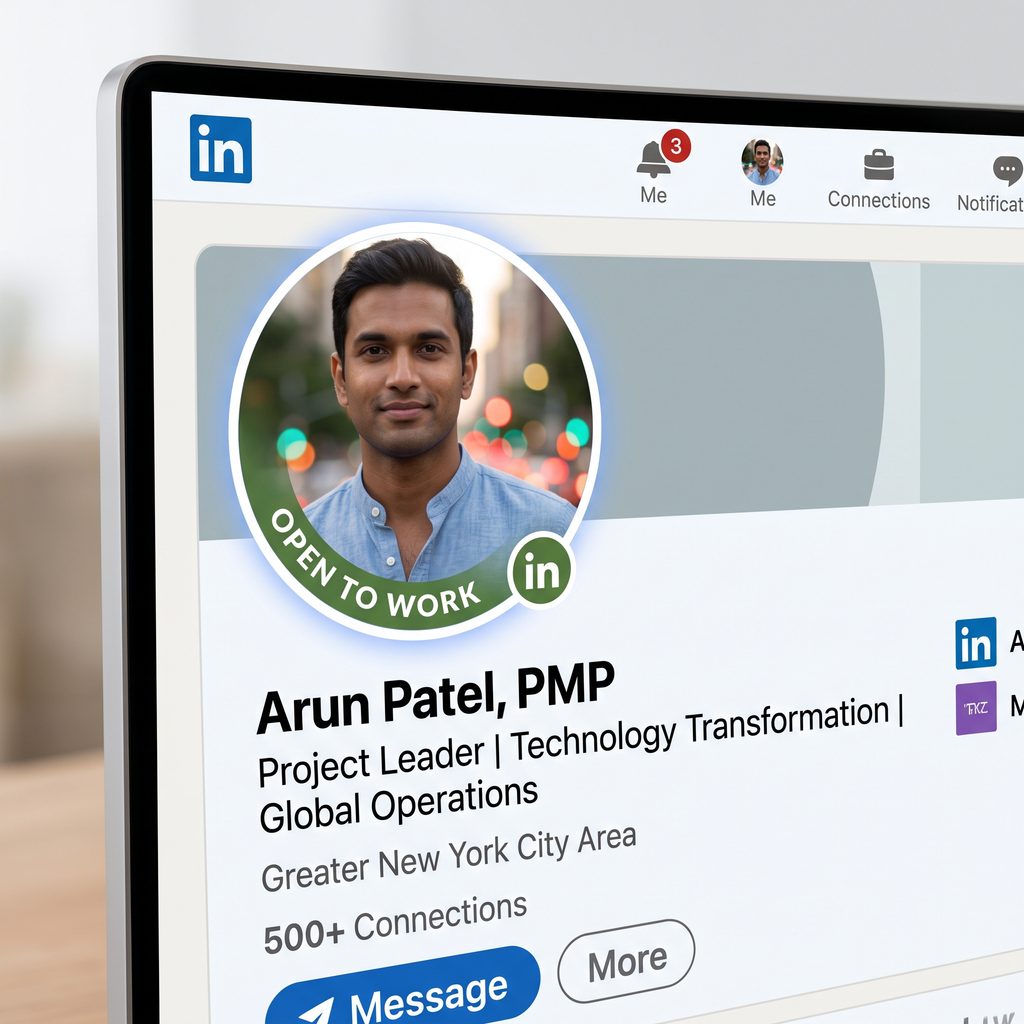
Two things follow, and they are the whole of the practical advice:
The crop is round. Anything in the corners is gone. A picture where your face sits off to one side survives a rectangle and loses its head in a circle.
Detail disappears. A busy background, a fine pattern, a logo on your shirt — all of it turns to texture. What is left at that size is the shape of your head, the colour behind it, and whether you appear to be looking at the person reading. We wrote about that at greater length in what makes a profile picture work, and about clothes specifically in what to wear for a headshot.
Does a headshot need a photographer?
For a long time the honest answer was yes, and it cost a few hundred and half a day. It is no longer the only answer. The photographs already on your phone contain more information about your face than a single studio sitting does — different days, different light, different angles — which is exactly what is needed to make a new photograph of you.

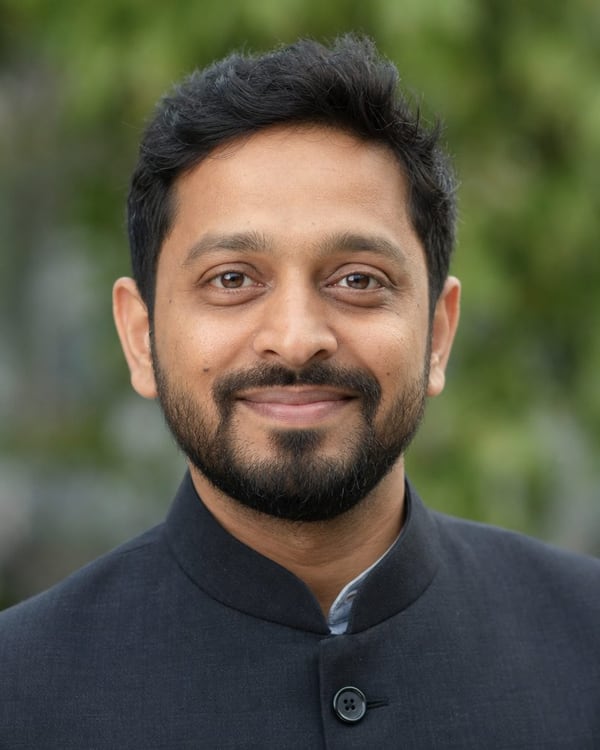
What has not changed is the standard. A picture is worth using when somebody who knows you would say it looks like you, and somebody who does not would take you seriously. That is a lower bar than "flattering" and a much harder one than "impressive", and it is the bar a lot of generated headshots miss — see why AI headshots look AI-generated for what usually gives them away, and which photos to upload for the inputs that avoid it.
The short version
- A headshot is the photograph: chest up, face lit, background quiet.
- A DP is the slot it goes in: small, round, glanced at.
- Make the picture for the slot. A headshot that works as a DP works everywhere else too; the reverse is not reliable.
If you want one made from photos you already have, that is what we do — you upload 8 or more, choose the look, and pick your favourites from what comes back.
Read next
 Buying
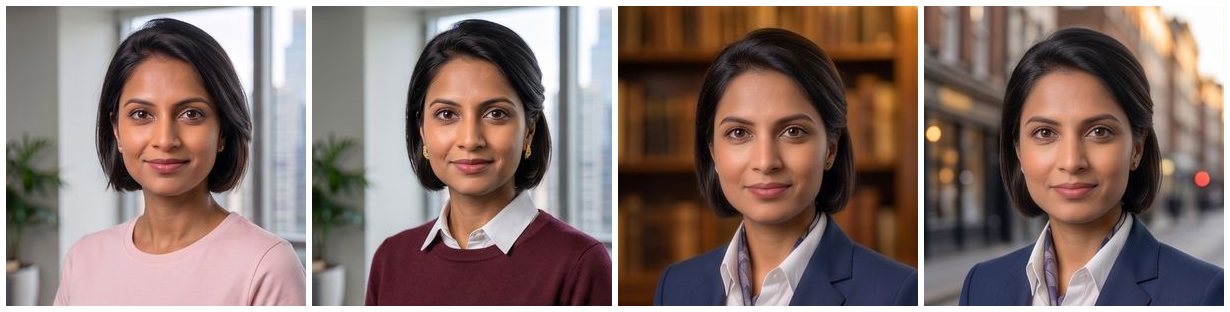
AI LinkedIn headshots that don't look AI: six checks
How to judge an AI LinkedIn headshot before you pay, and how to check the pictures you get. Six things to look at, in the order that catches the most.
Read article → Style
StyleWhat to wear for a LinkedIn headshot
Your LinkedIn headshot is seen a hundred pixels across. Plain beats patterned, collars add structure, and traditional dress is business dress.
Read article → How-to
Which photos to upload for your LinkedIn headshot
How many photos to upload for an AI LinkedIn headshot, how varied they should be, and the ones that quietly ruin a set.
Read article →